Itinerary
Arrive in Dibrugarh, one of Assam's most important river towns and the gateway to Upper Assam's tea country. Check in and spend the evening with a walk through a nearby tea garden or a quiet stroll along the Brahmaputra — a gentle introduction to what's ahead.
Spend the morning exploring the Ahom-era monuments of Sivasagar — centuries-old tanks, temples, and palaces built by a dynasty that ruled Assam for nearly 600 years, leaving behind some of the most overlooked historical sites in India. Drive to Jorhat by evening and check in for the night.
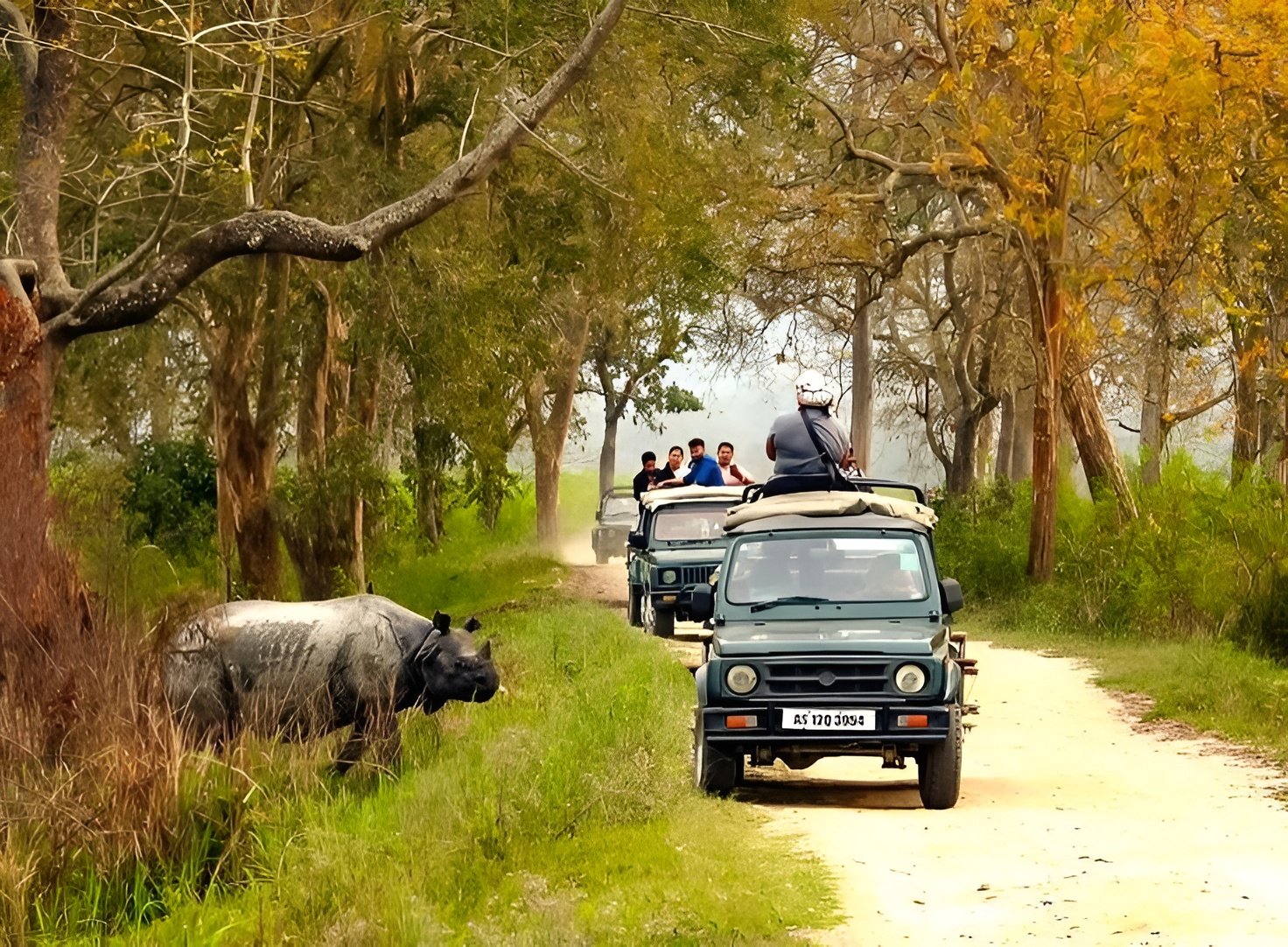
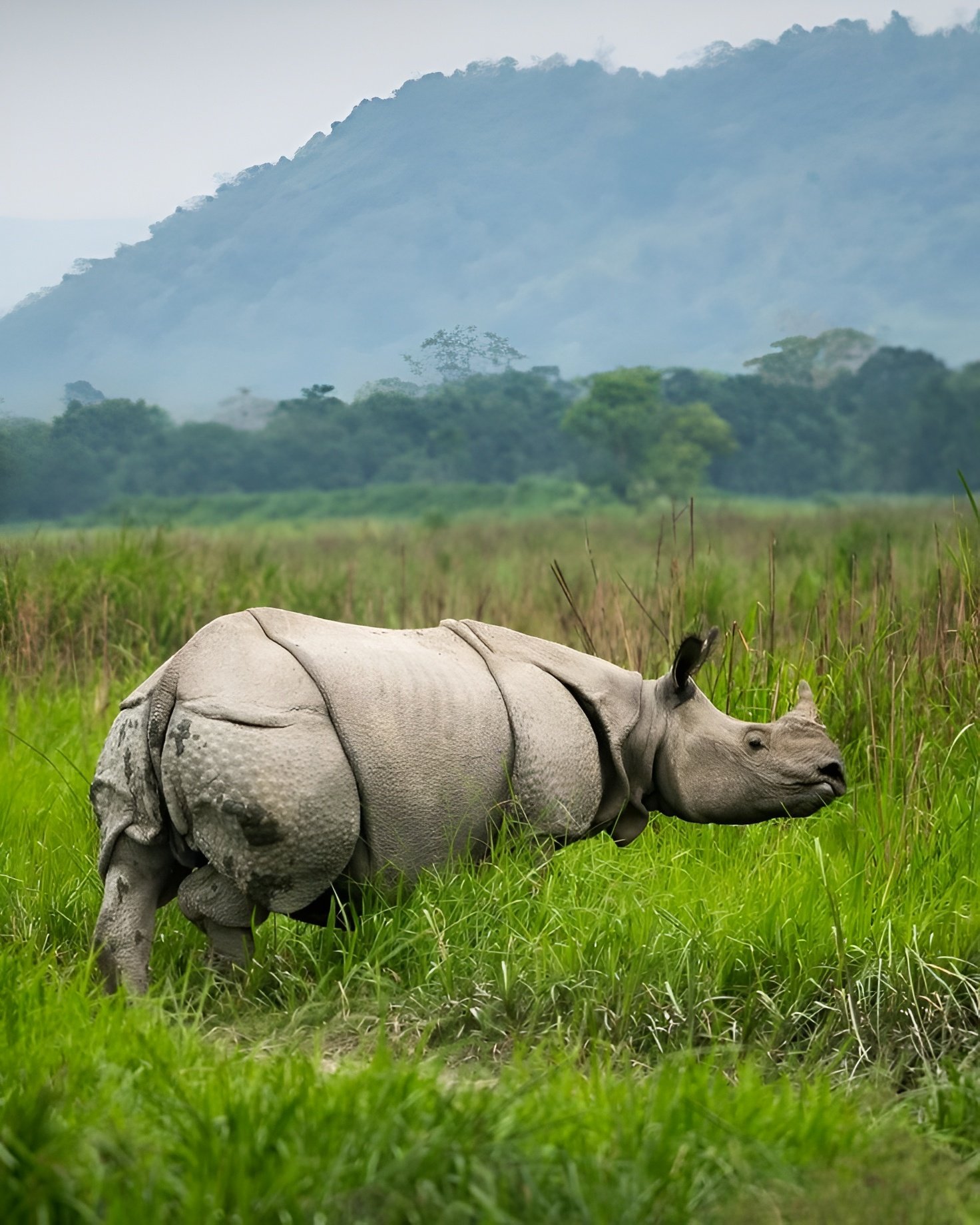
Board the return ferry and drive to Kaziranga National Park, a UNESCO World Heritage Site and home to the world's largest population of Indian one-horned rhinoceroses. Arrive in time for the evening at the Orchid and Cultural Park, a good warm-up before the safaris tomorrow.
Board the return ferry and drive to Kaziranga National Park, a UNESCO World Heritage Site and home to the world's largest population of Indian one-horned rhinoceroses. Arrive in time for the evening at the Orchid and Cultural Park, a good warm-up before the safaris tomorrow.
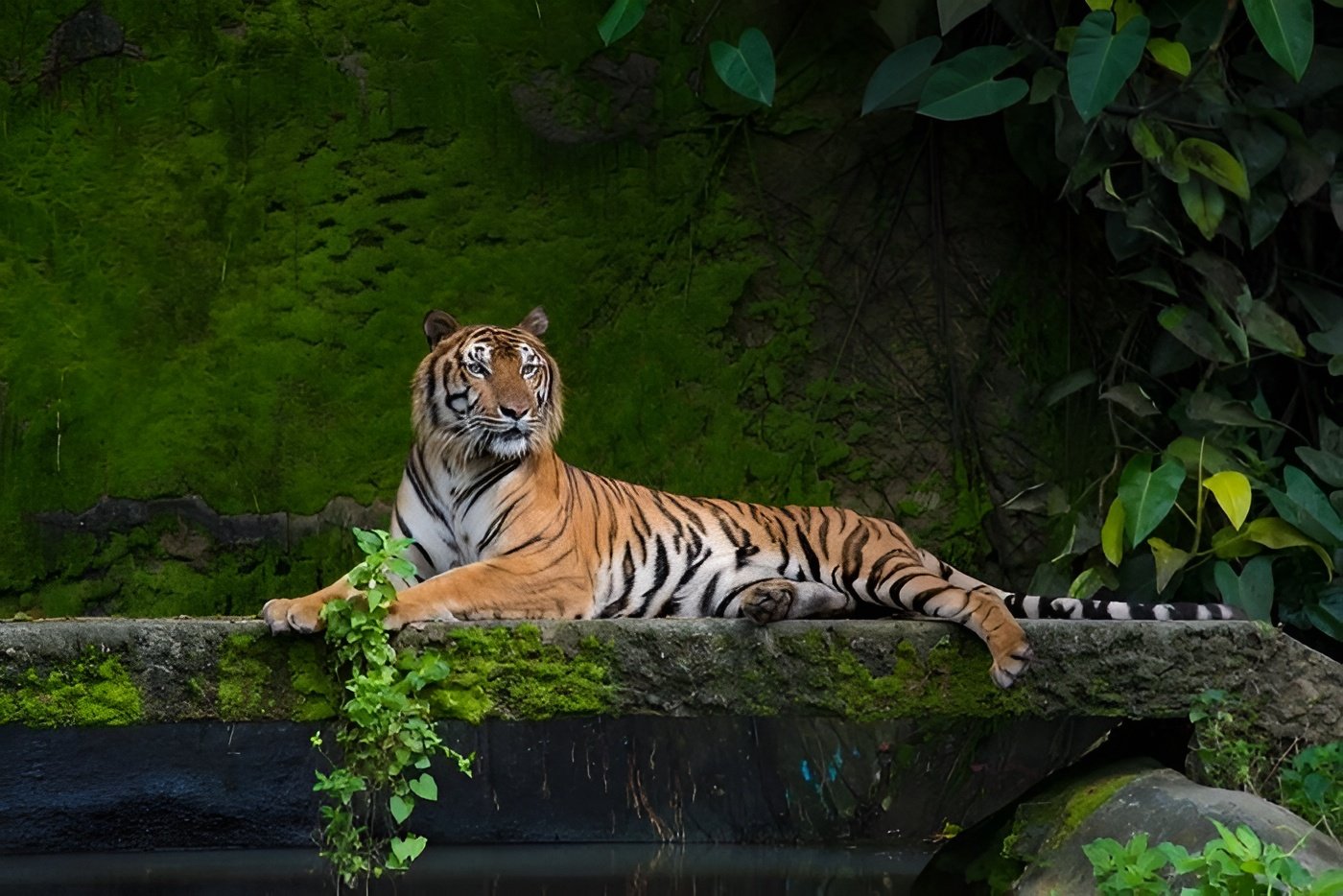
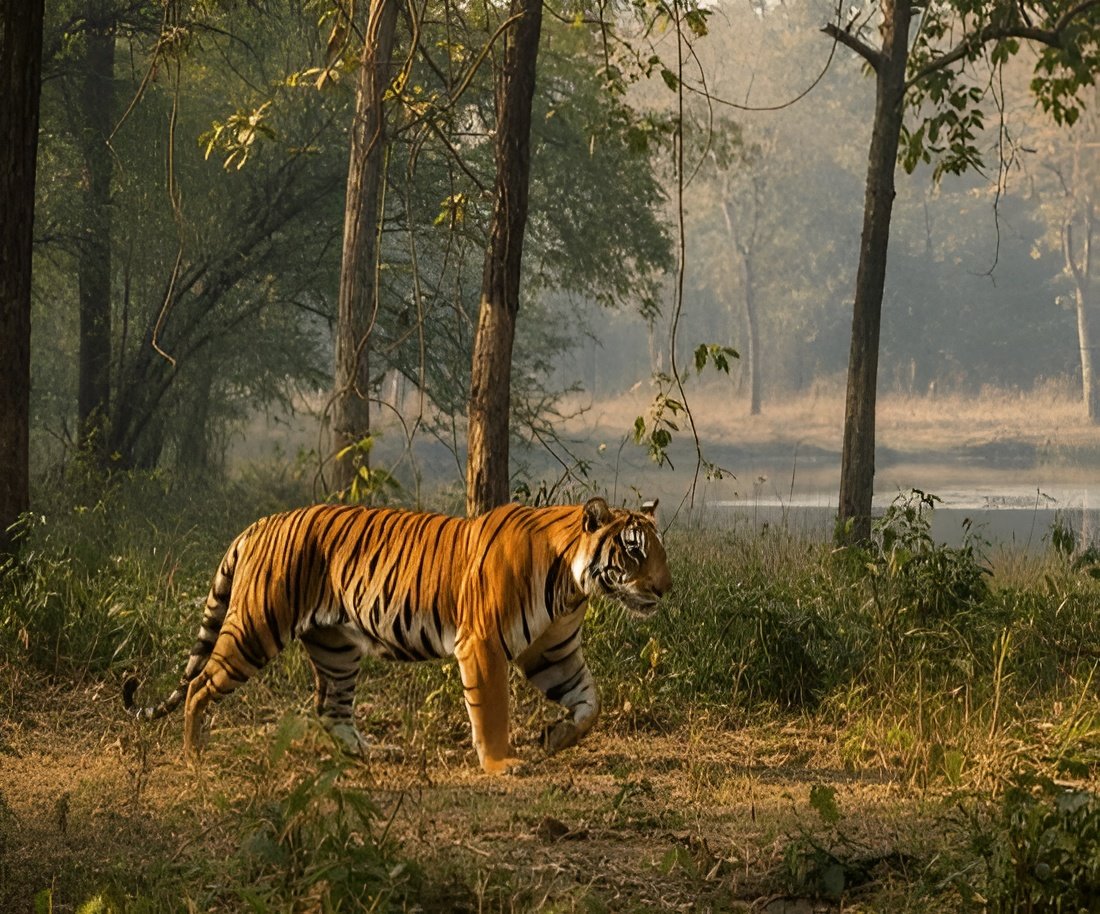
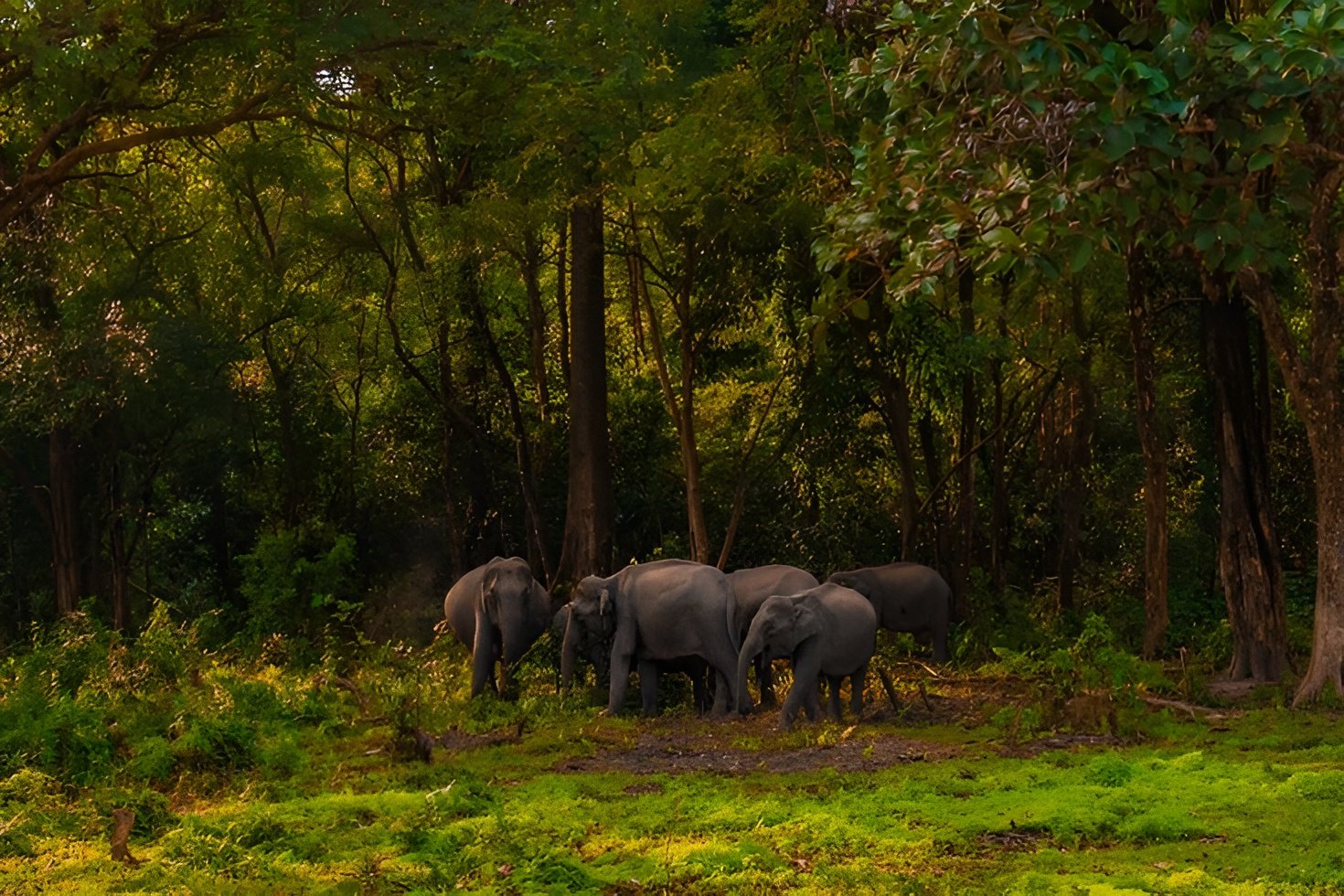
Start before sunrise for an elephant safari into the tall grasslands of Kaziranga, where rhinos are often spotted at close range in the early morning mist. Follow it up with a jeep safari through a different zone of the park, covering more ground and watching for wild elephants, water buffalo, and if you're lucky, a tiger.
Stop at the Brahmaputra for a dolphin cruise near Tezpur, one of the few places in Assam where the rare Gangetic river dolphin can still be spotted. Drive on to Guwahati, arriving in the evening with one more day ahead.
Visit the Kamakhya Temple, one of the most important Shakti shrines in India, perched on a hilltop overlooking the Brahmaputra. If time allows, take a short boat ride to Umananda Island, a small river temple island in the middle of the city, before heading to the airport.